Interior Design - What You’re Really Investing In
When most homeowners think of interior design, they think of finishes such as colours, furniture, lighting, and decor.. This is usually the part they see and approve first. What often remains unseen is the thinking and planning that actually makes a home comfortable to live in.
If you are planning to design or renovate your home, understanding what goes into the process can help you make better decisions and avoid unnecessary stress later.
This is what interior design truly involves.
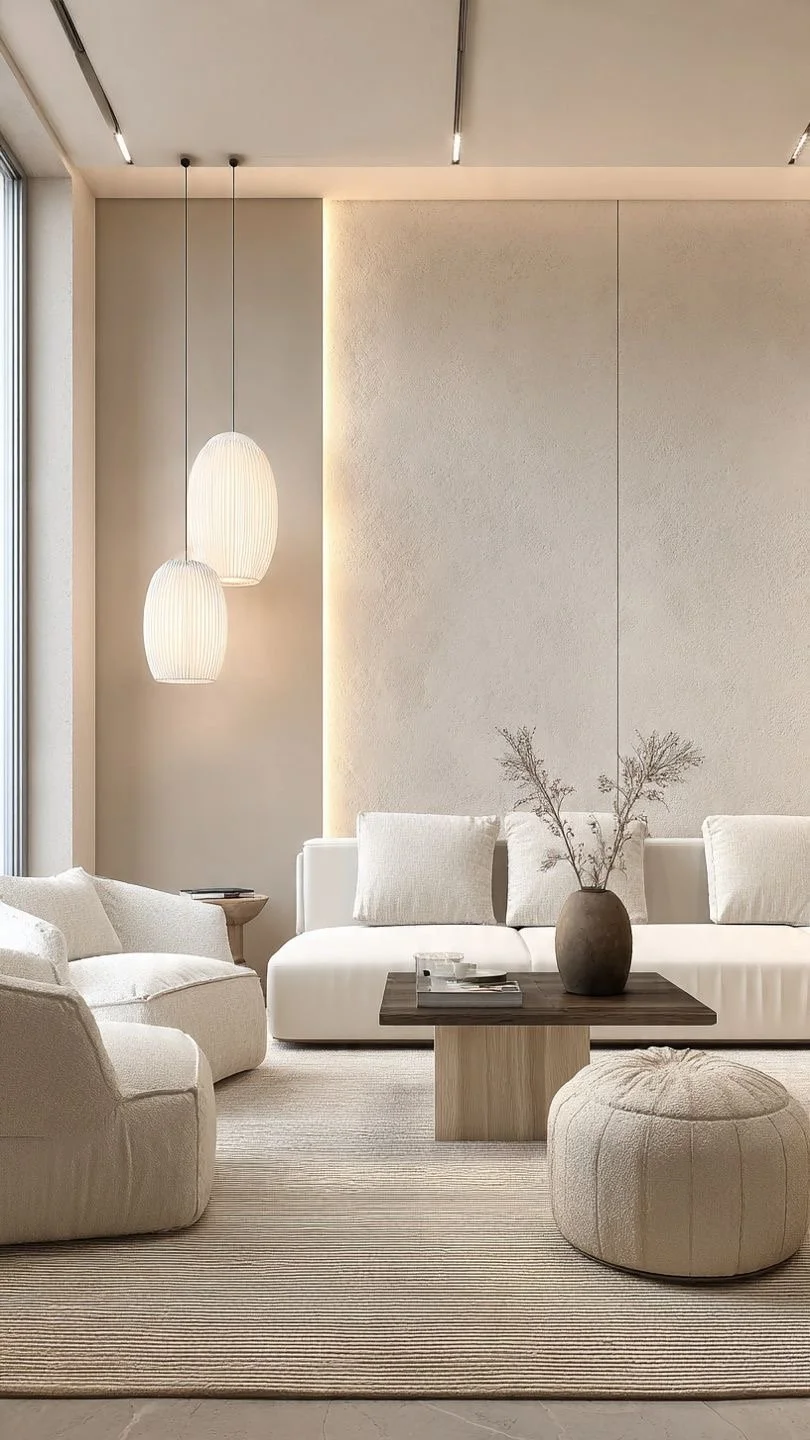
Understanding Your Space and How You Live
Before any design decisions are made, the first step is understanding the space and the people who will live in it.
This includes looking at:
• How natural light enters your home through the day
• Ventilation and airflow
• Structural constraints that cannot be altered
• Existing electrical and plumbing points
• Daily routines, storage needs, and habits
At Soul Space, this stage is where most clarity comes from. Design solutions work best when they respond to real lifestyle needs rather than assumptions.
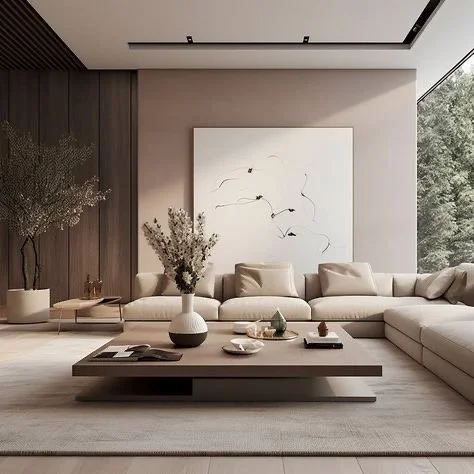
Planning Layouts That Make Daily Life Easier
A good layout is not about fitting more into a space. It is about making movement and use feel effortless.
Thoughtful layout planning helps
• Reduce clutter and congestion
• Improve flow between rooms
• Make small spaces feel calmer and more open
• Avoid changes once construction begins
Many issues homeowners face later can be traced back to rushed or poorly planned layouts.
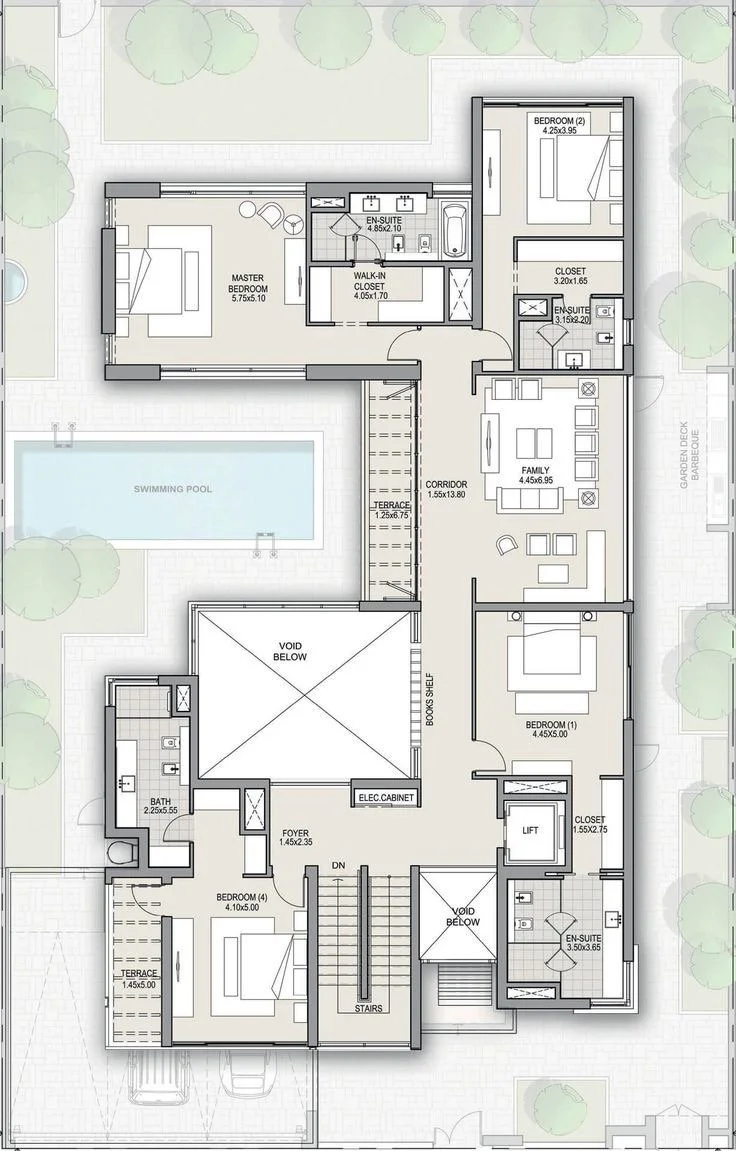
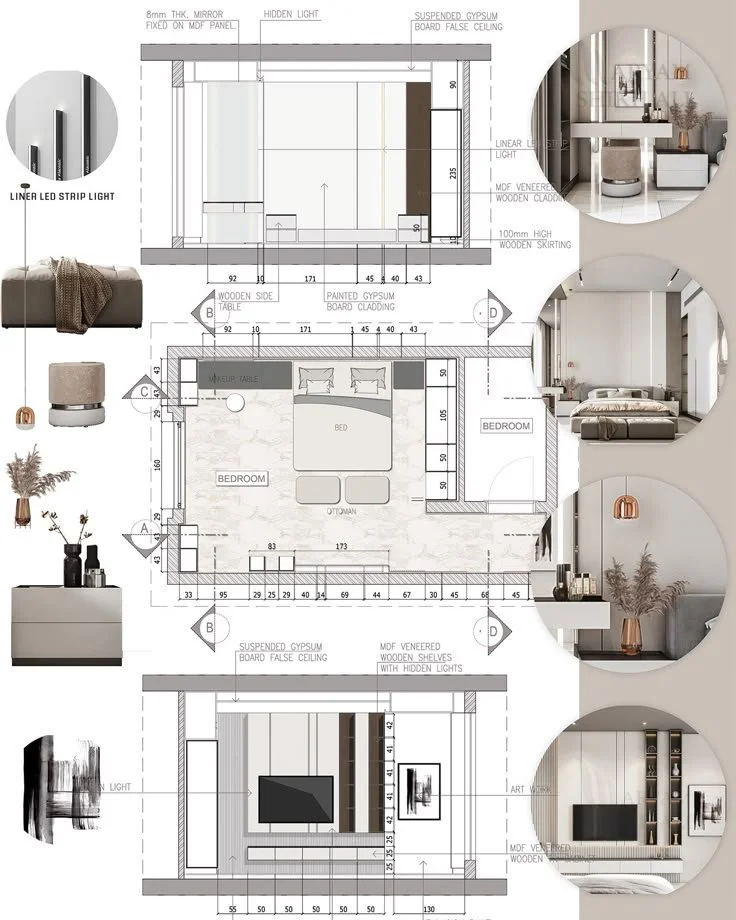
The Importance of Drawings Even If You Never See Them
Behind every finished space are multiple layers of technical drawings. These include
• Furniture and storage layouts
• Electrical and lighting plans
• Plumbing coordination
• Material and finish specifications
While clients may never need to read these drawings themselves, they are essential. They ensure that everyone on site, from carpenters to electricians to contractors, is working from the same plan.
This is what keeps the design intent intact during execution.
Choosing Materials That Suit Your Life Not Just the Moodboard
Material selection is not just about what looks good today. It is about how materials perform over time.
Design decisions consider
• Maintenance expectations
• Durability for daily use
• Climate suitability
• Cost versus long term value
A finish that looks good initially but is difficult to maintain or does not age well quickly loses its appeal.
Designing With a Clear Budget in Mind
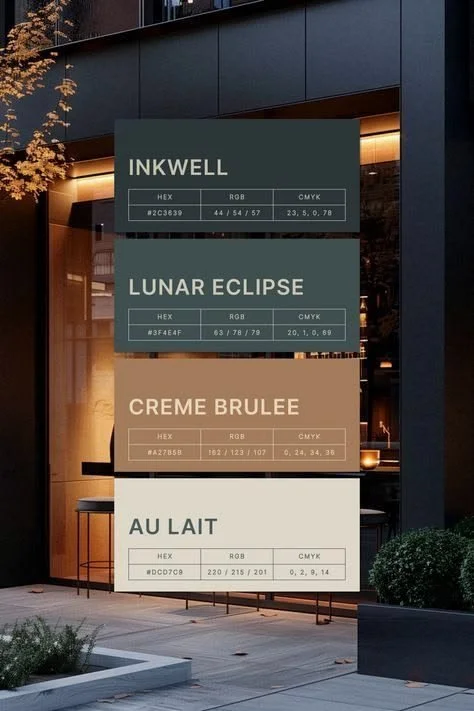
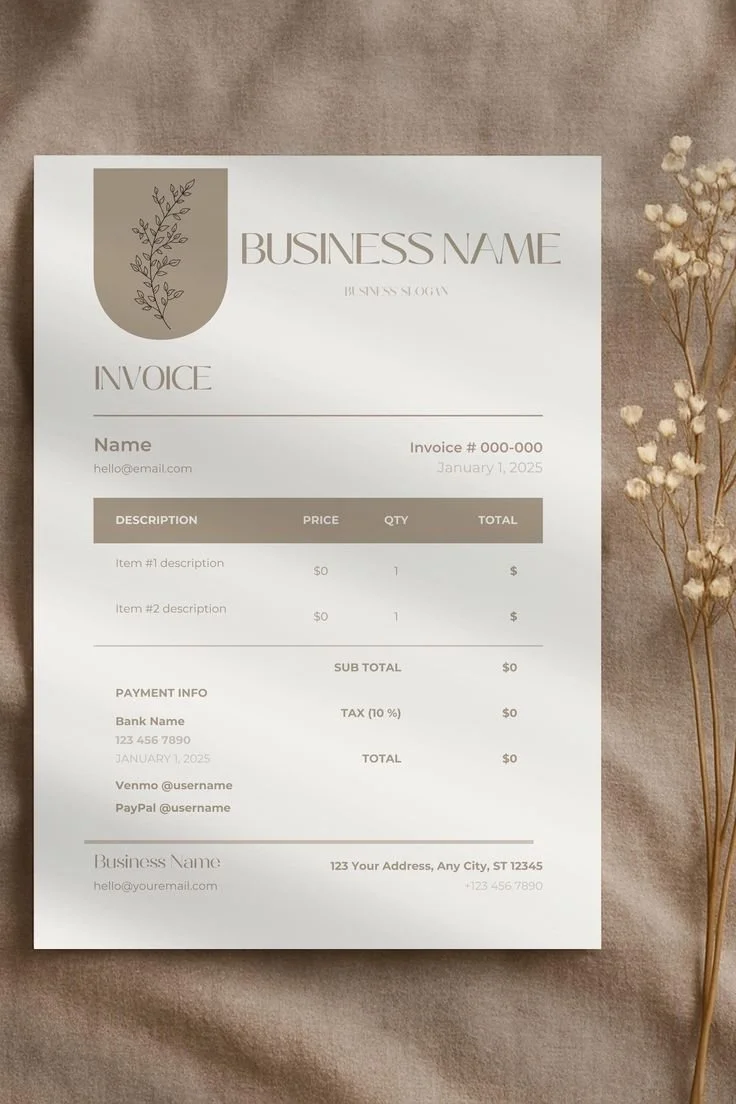
Interior design can help control costs, but only when the process is structured.
This involves
• Understanding where to invest and where to simplify
• Avoiding unnecessary design elements
• Planning spends early instead of reacting during execution
Clear design decisions made upfront often prevent unplanned expenses later.
Translating Design Into Reality on Site
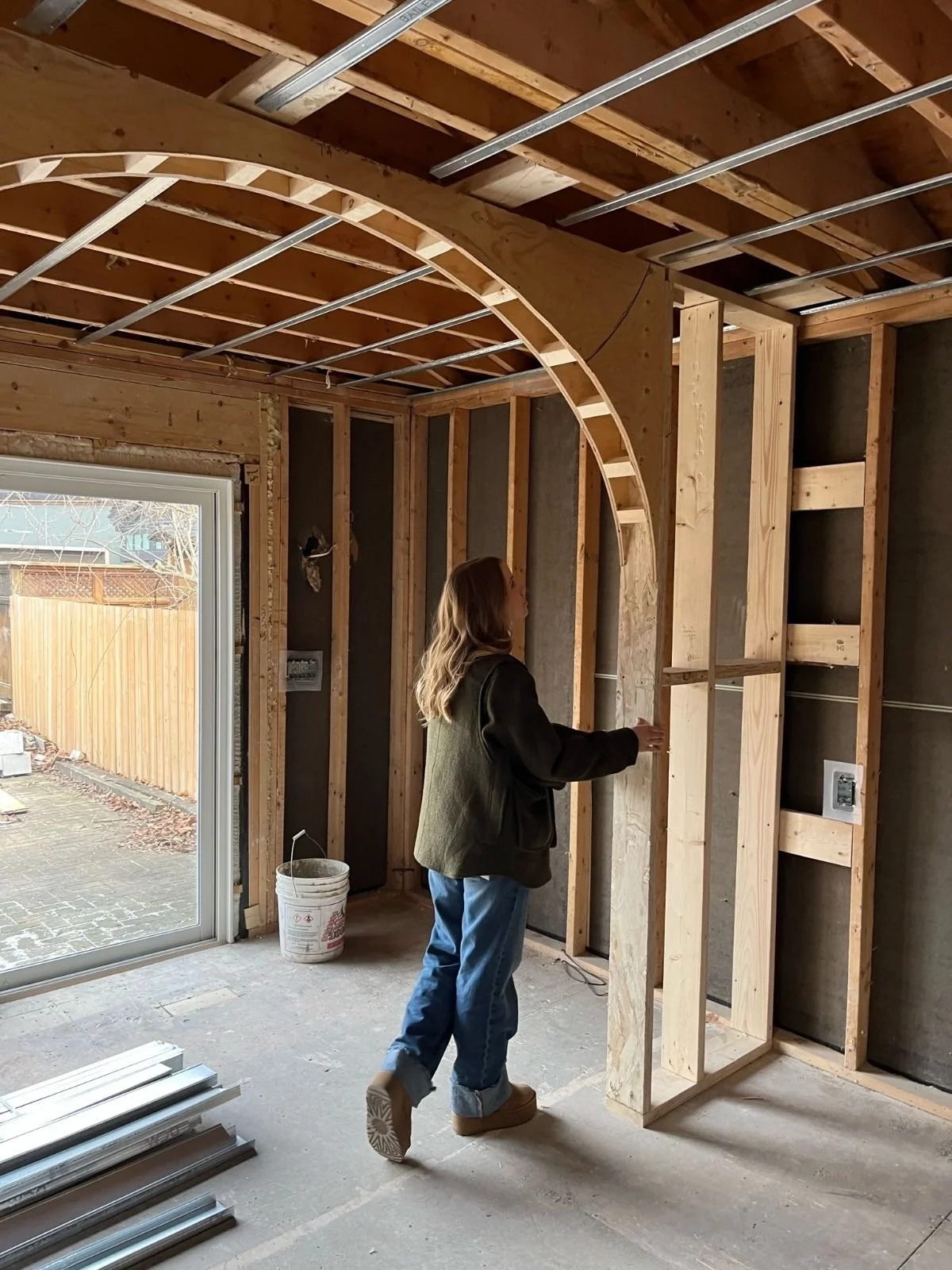
Design does not end with approvals. A significant part of the process happens on site.
This includes
• Coordinating multiple vendors
• Clarifying drawings during execution
• Solving real time challenges during installation
Without this stage, even the best design can lose its integrity during execution.
Designing for How Your Home Will Feel Years From Now
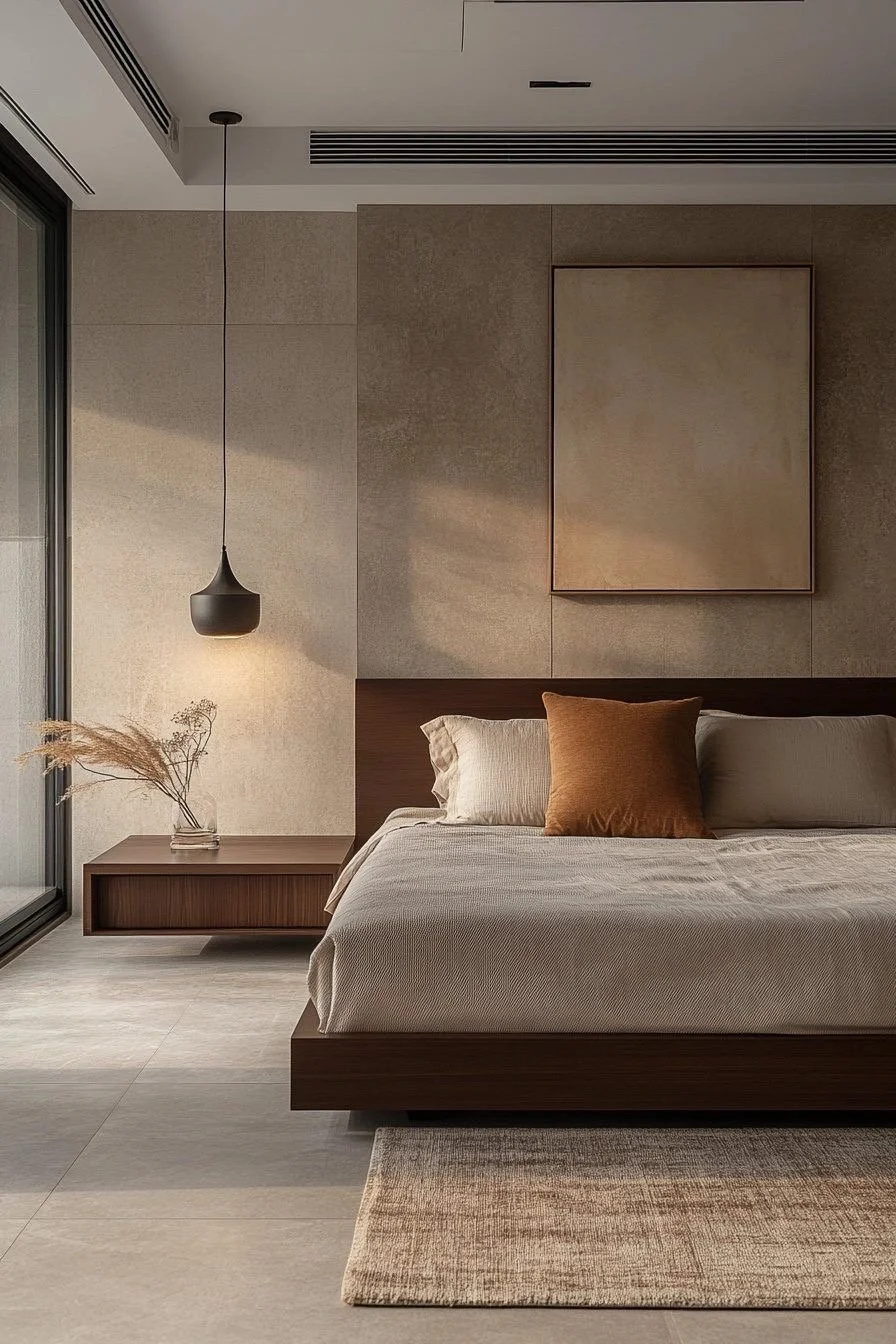
A well designed home supports daily life quietly.
It offers
• Storage that feels intuitive
• Lighting that works across moods and times of day
• Spaces that do not feel dated or overwhelming
Good design does not constantly demand attention. It blends into everyday life.
Final Thoughts
Interior design is not only about how a home looks when it is completed. It is about how it functions, how it ages, and how it supports the people living in it over time.
Understanding the process allows you to approach your project with clarity and choose design solutions that truly last.